Our Heritage
Qahwa has been poured in
Saudi homes for centuries.
The green beans. The cardamom. The saffron. The Dallah. These are not ingredients — they are a culture. Jood exists to honor them.
"Serving Qahwa is not a task.
It is an expression of who you are."
In Saudi culture, offering Qahwa to a guest is an act of respect, generosity, and welcome. To refuse is considered impolite. The Dallah is always full. The host always pours first.
Origins
A hundred years
of tradition.
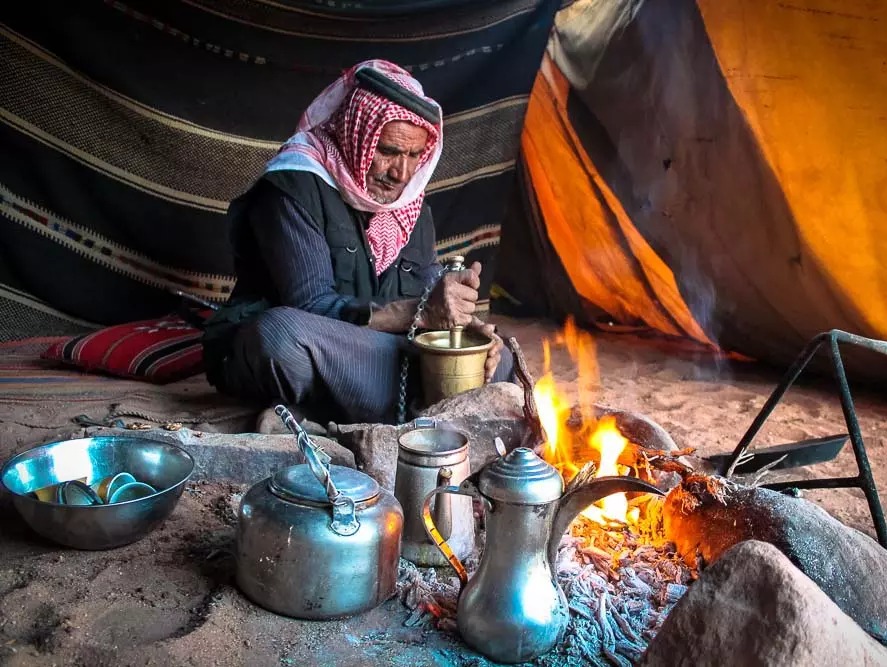
Saudi Qahwa traces its roots back to the early coffee culture of the Arabian Peninsula — long before coffee was known to the Western world. The tradition of roasting, cooking, and serving Qahwa evolved over centuries, shaped by Bedouin hospitality codes and the rhythms of desert life.
Unlike Turkish or European coffee, Saudi Qahwa is made from lightly roasted green beans — not darkly roasted — and cooked slowly with spices. The result is a light golden drink, aromatic and delicate, nothing like what the rest of the world calls coffee.
The Vessel
The Dallah is
not a container.
It is a symbol.
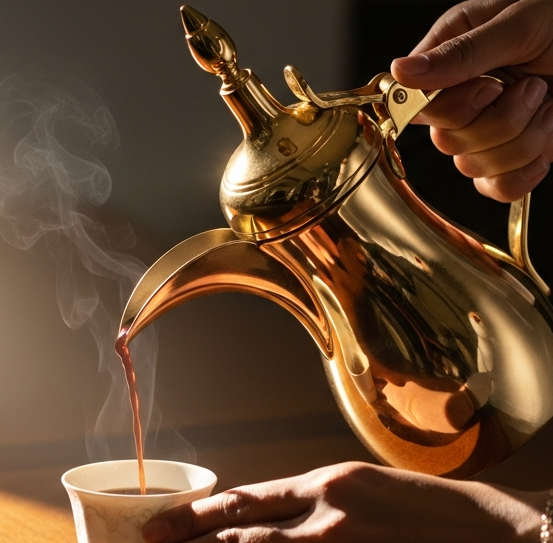
The Dallah — the long-spouted brass or silver vessel used to serve Qahwa — is one of the most recognized symbols of Saudi culture. It appears on the Saudi 50 Halala coin, in national emblems, and in the homes of every Saudi family.
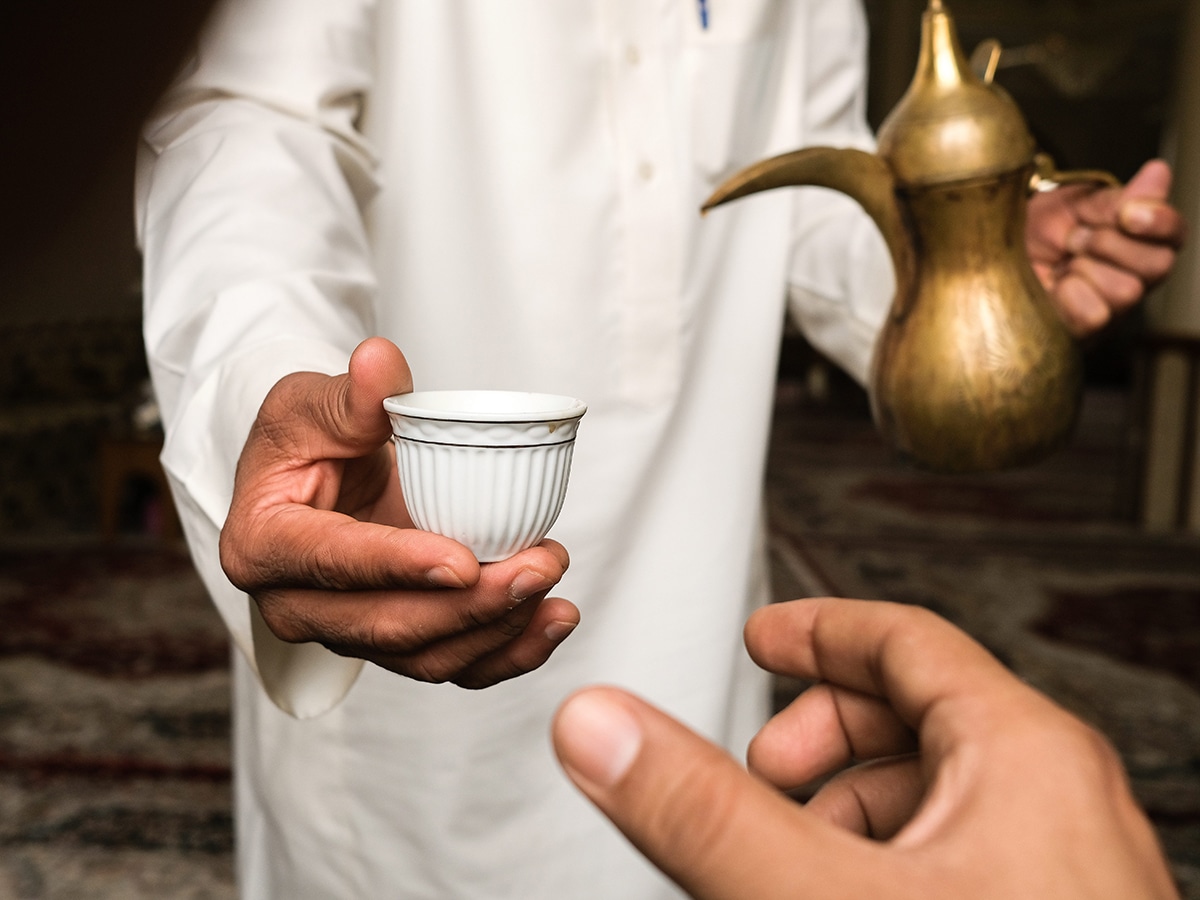
To hold a Dallah is to hold a responsibility. The person who pours is the host. They move quietly among guests, filling the small handle-less cup called the finjan, and they do not sit until every guest has been served. The Dallah is always in the left hand. The cup is offered with the right.
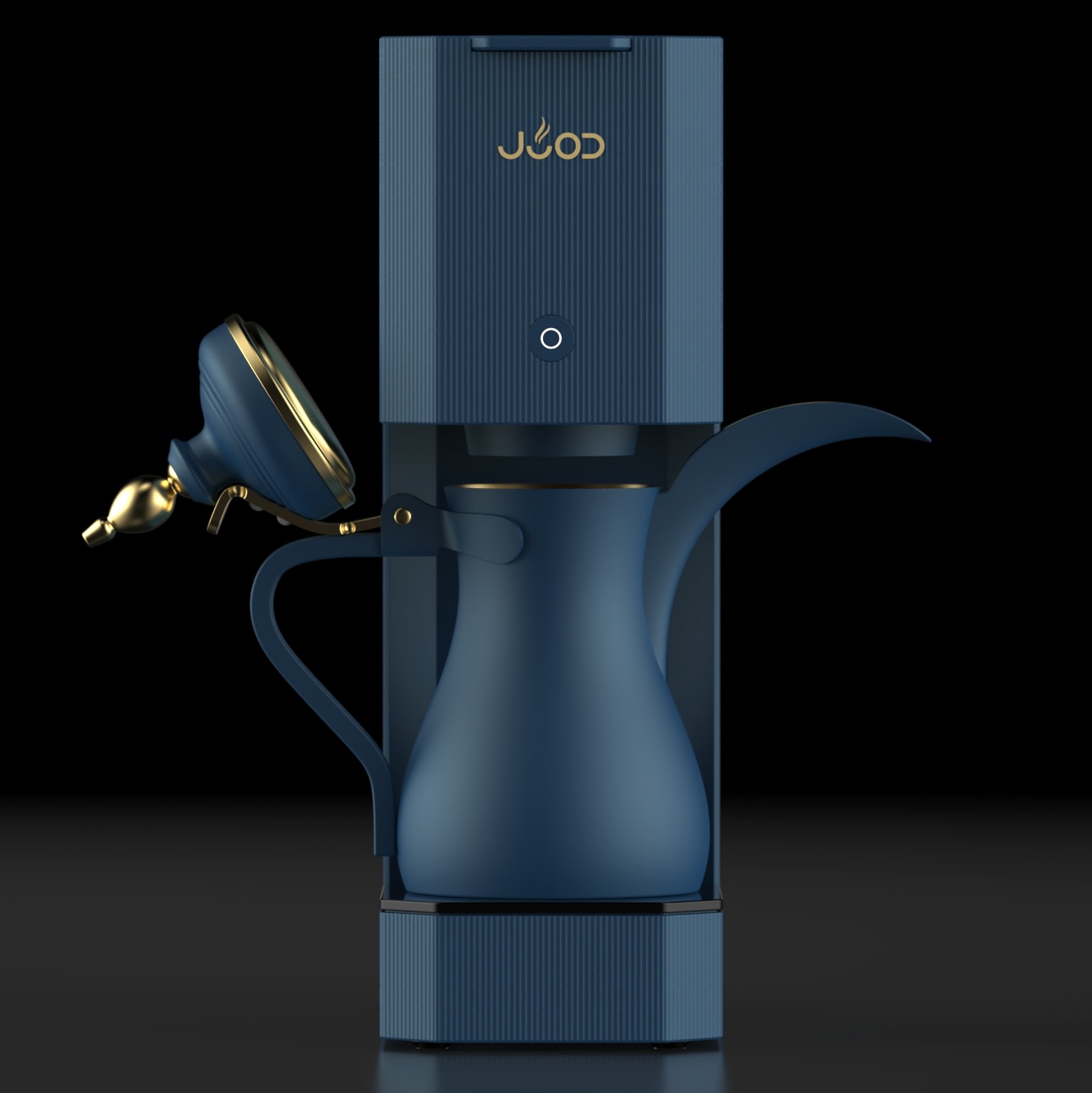
Jood's machine serves into a Dallah — not a disposable cup, not a machine-made vessel. The ceremony is preserved. The symbol remains.
The Preparation
Fourteen minutes
of patience.
Traditional Saudi Qahwa is not brewed — it is cooked. The process begins with raw green coffee beans, lightly roasted over low heat until they turn pale gold. Then the cardamom is added — whole pods, freshly cracked. Then saffron threads.
The mixture cooks slowly in the Dallah over a gas flame for at least 14 minutes, sometimes longer. The spices release their oils gradually. The coffee never becomes bitter — because green beans, unlike dark roasts, hold a different chemistry entirely.
The result smells nothing like the coffee you know. It smells like home.
Jood replicates this exact thermal and temporal profile inside every machine — honoring the 14-minute process that generations of Saudi families have never rushed.
The Ceremony
How you pour
matters as much
as what you pour.
Qahwa etiquette is intricate and deeply felt. Guests are served in order of seniority. The finjan is never filled to the brim — about a third full is correct, signaling that there is always more to give. A guest who has had enough shakes the finjan gently from side to side to signal they are satisfied.
At weddings, negotiations, business meetings, and funerals alike, Qahwa is present. It is not refreshment — it is communication. A pot placed in front of you says: you are welcome here, your presence matters, and I have prepared something for you.
Jood was built to carry that meaning into modern life — so the ritual doesn't require a fireplace, a brass pot, and an hour of preparation to mean what it has always meant.
Global Recognition
Saudi Qahwa is
UNESCO heritage.
Saudi Qahwa was inscribed on UNESCO's list of Intangible Cultural Heritage of Humanity — a recognition of the depth of meaning, ritual, and community that this drink carries across generations. Jood was built in full knowledge of this responsibility.
What Goes In
Every ingredient
has a reason.
Each component of Jood's capsule blend was chosen for cultural authenticity and sourced for quality. Nothing is added for convenience. Nothing is removed for cost.
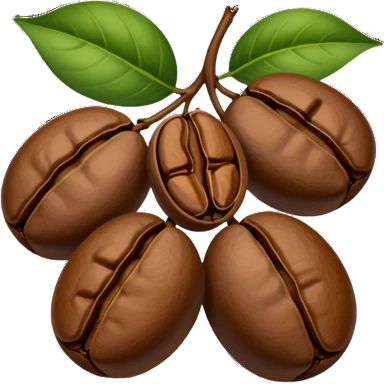
Green Coffee Beans
Lightly processed, not dark-roasted. Saudi Qahwa uses green beans for their delicate, earthy flavor profile that dark roast completely destroys.

Green Cardamom
The defining spice of Saudi Qahwa. Freshly cracked cardamom pods release aromatic oils that define the smell and flavor of authentic Qahwa more than any other ingredient.

Saffron
Among the world's most precious spices. Saffron gives Jood its golden color and a distinctive floral note that elevates the experience beyond ordinary coffee.
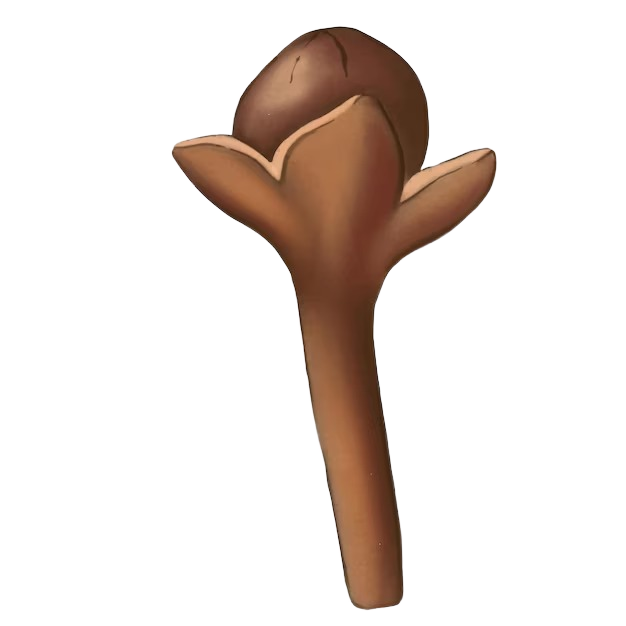
Cloves
Used sparingly in some regional Qahwa traditions, cloves add warmth and depth — a complexity that distinguishes a thoughtful blend from a simple one.

Ginger
A gentle warmth that activates slowly after the first sip. Ginger is found in traditional Saudi blends from the Hejaz and Asir regions and adds a distinctive spicy finish.
Vision 2030
Jood is a Saudi story,
told to the world.
Saudi Arabia's Vision 2030 calls for a diversified economy rooted in cultural pride, local industry, and global recognition. Jood is a product born from exactly that ambition. We source from Saudi farms, we manufacture with Saudi engineers, and we carry Saudi heritage into every home and hotel that serves from our Dallah.
Our goal is not just to sell coffee. It is to make Saudi Qahwa a global category — the way Japanese matcha and Italian espresso became global cultural signatures. Qahwa deserves to be known the world over. Jood is how that happens.
Be part of the tradition.
Pre-order your Jood machine and bring authentic Saudi Qahwa to your home or business — effortlessly.
Pre-Order Now — 999 SAR